

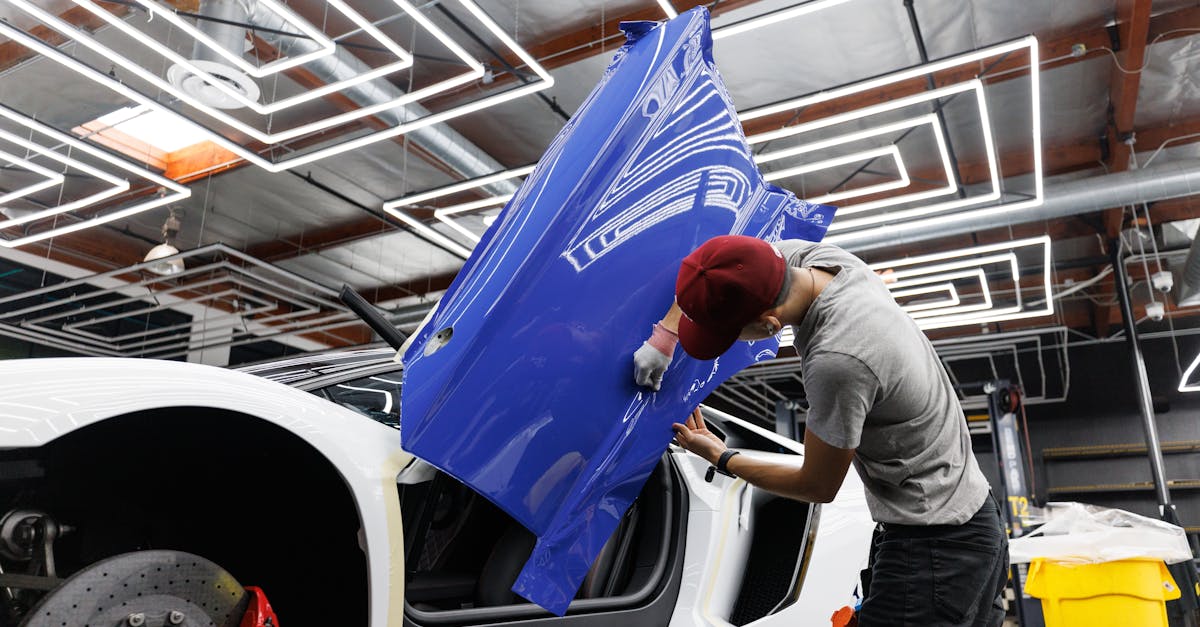
In the world of vehicle customization, vinyl wrap designs have revolutionized how we think about car aesthetics. These versatile and eye-catching solutions offer endless possibilities for transforming any vehicle’s appearance without the permanence of a paint job. We’ve seen this trend explode in popularity as more car enthusiasts discover its potential.
From sleek matte finishes to bold graphic patterns and chrome effects, vinyl wraps have become the go-to choice for both personal and commercial vehicles. We’ll explore how these innovative designs can completely transform your ride while protecting the original paint underneath. Whether you’re looking to make a statement with your vehicle or need a cost-effective branding solution for your business fleet, vinyl wrap designs provide an impressive array of options to achieve your goals.
Key Takeaways
- Vinyl wrap designs offer a cost-effective and versatile alternative to traditional paint jobs, costing 40-60% less while providing customizable aesthetics
- Different types of vinyl materials (cast, calendered, and chrome) offer varying durability levels and application capabilities, with cast vinyl being the highest quality option
- The installation process requires professional expertise, specific environmental conditions (70-80°F), and specialized tools to ensure proper application and longevity
- Vinyl wraps provide protection for the original paint from UV damage, scratches, and environmental factors while maintaining easier maintenance compared to painted surfaces
- Popular design styles include solid colors, carbon fiber patterns, and custom graphics, with matte black being the most popular choice (45% market share) in solid-color wraps
What Are Vinyl Wrap Designs
Vinyl wrap designs are large-format graphic films engineered to completely cover vehicle surfaces. These adhesive-backed materials transform automobiles with customizable patterns textures colors.
A vehicle wrap consists of three primary components:
- Base vinyl material with specialized adhesive backing
- Printed graphics or pre-colored film
- Protective laminate layer for UV resistance durability
Common vinyl wrap design categories include:
- Solid colors (matte gloss satin finishes)
- Color-shifting materials (chameleon pearl effects)
- Carbon fiber patterns metallic textures
- Custom printed graphics artwork
- Commercial branding templates
Car wrap design templates provide standardized layouts for:
- Full vehicle coverage measurements
- Panel-by-panel application guides
- Strategic logo brand placement
- Complex curve accommodation
- Installation reference points
The vinyl material specifications feature:
| Property | Measurement |
|---|---|
| Thickness | 3.5-4 mil |
| Durability | 5-7 years |
| Temperature Range | -50°F to 180°F |
| Adhesive Strength | 4-5 lbs/inch |
Modern vinyl wrap technologies incorporate:
- Air release channels for bubble-free installation
- Conformable materials for complex curves
- Repositionable adhesives during application
- Heat-activated bonding for permanent adhesion
- UV-resistant pigments preserving color integrity
These designs adapt to various vehicle types from compact cars to commercial fleet vehicles maintaining consistent visual quality across different surface contours sizes.
Types of Vinyl Wrap Materials
Vehicle wrap materials come in distinct categories, each offering specific advantages for different vinyl wrap designs. Each material type serves unique purposes in transforming vehicles through custom wrapping applications.
Cast Vinyl
Cast vinyl represents the highest quality material for vehicle wraps, manufactured through a liquid casting process. This premium material stretches up to 40% of its original size, making it perfect for complex curves and contours on luxury vehicles. Cast vinyl maintains color consistency for 5-7 years and features a thickness of 2 mils (0.002 inches), creating seamless vinyl wrap designs.
Calendered Vinyl
Calendered vinyl offers a cost-effective solution for short-term vehicle wraps, produced through a mechanical rolling process. This material stretches 2-3% of its original size, making it suitable for flat or slightly curved surfaces like commercial fleet vehicles. The material thickness ranges from 3.2-4 mils, providing durability for 3-5 years with proper maintenance.
- Mirror-like finishes in various colors including silver, gold and rose gold
- Color-shifting properties that change appearance based on viewing angles
- Enhanced durability through scratch-resistant top coatings
- Application thickness of 3.5-4 mils for optimal metallic effect
| Material Type | Durability | Thickness | Stretch Capability |
|---|---|---|---|
| Cast | 5-7 years | 2 mils | 40% |
| Calendered | 3-5 years | 3.2-4 mils | 2-3% |
| Chrome/Metallic | 2-4 years | 3.5-4 mils | 15-20% |
Popular Vinyl Wrap Design Styles
Vinyl wrap designs offer diverse customization options for vehicles through various styles and finishes. Each design category serves specific aesthetic preferences and functional requirements in vehicle customization.
Solid Colors and Matte Finishes
Solid colors represent the most common vinyl wrap designs, offering complete vehicle color changes. Matte black leads popularity charts with a 45% market share among solid-color wraps, followed by gloss white at 30%. Popular finishes include:
- Satin metallic finishes for luxury vehicles
- Candy-colored wraps for sport cars
- Brushed metal effects for modern aesthetics
- Pearlescent overlays for color-shifting effects
Carbon Fiber and Textured Patterns
Carbon fiber patterns create a premium motorsport aesthetic through dimensional textures. These vehicle wrap styles include:
- 3D weave patterns replicating authentic carbon fiber
- Brushed aluminum textures for accent pieces
- Geometric patterns for modern design elements
- Wood grain finishes for classic aesthetics
- Full-color photo-realistic images
- Brand logos for commercial fleets
- Racing stripes with fade effects
- Abstract patterns with geometric elements
- Camouflage patterns in various color schemes
| Design Style | Market Share | Average Cost/Sq Ft |
|---|---|---|
| Solid Colors | 40% | $12-15 |
| Carbon Fiber | 25% | $18-22 |
| Custom Graphics | 35% | $25-30 |
Benefits of Vinyl Wrap Designs
Vinyl wrap designs transform vehicles while offering practical advantages beyond aesthetics. These benefits make vinyl wraps an increasingly popular choice for both personal vehicle customization and commercial fleet branding.
Cost-Effective Alternative to Paint
Vinyl wrap designs cost 40-60% less than a professional paint job. A complete vehicle wrap ranges from $2,500 to $5,000, compared to $10,000+ for high-quality paint. The installation process takes 3-5 days, reducing vehicle downtime compared to the 2-3 weeks required for custom paint work.
Protection for Original Surfaces
Vehicle wraps create a protective barrier that shields the original paint from:
- UV ray damage
- Rock chips
- Minor scratches
- Road debris
- Chemical exposure from rain acid
- Bird droppings
The vinyl material absorbs impact damage that would typically affect the paint, preserving the vehicle’s resale value.
Easy Maintenance and Care
Maintaining vinyl wrap designs requires minimal effort compared to painted surfaces:
- Weekly washing with pH-neutral soap
- No waxing required
- Quick spot cleaning with isopropyl alcohol
- Self-healing properties in some premium wraps
- 15-minute dry time after washing
- Resistance to automatic car washes
The non-porous surface of vinyl wraps prevents dirt accumulation while making cleaning faster. Damaged sections can be replaced without affecting the entire wrap, reducing long-term maintenance costs.
Installation Process and Requirements
Professional vinyl wrap installation demands meticulous preparation, specialized tools, and expert techniques to achieve flawless results. A proper installation protects both the vehicle wrap design and the underlying paint while ensuring maximum durability.
Surface Preparation
Surface preparation creates the foundation for successful vehicle wrap application. The process includes:
- Removing exterior elements (antennas, badges, trim pieces)
- Deep cleaning with isopropyl alcohol to eliminate contaminants
- Clay bar treatment to remove embedded particles
- Paint correction to address scratches or imperfections
- Temperature control of the installation area (70-80°F)
- Final wipe-down with specialized surface prep solution
Professional Tools and Techniques
Professional vinyl wrap installation requires specific tools and techniques to ensure optimal adhesion:
- Heat guns (maintain 180-200°F during application)
- Precision cutting knives
- Squeegees (felt-edge, hard plastic, soft-edge)
- Microfiber towels
- Infrared thermometers
- Air release tools
- Post-heating corners to 195°F
- Overlap seams by 1/4 inch
- Stretch vinyl 15-20% maximum on curves
- Work from center outward
- Use relief cuts for complex curves
- Apply uniform pressure during squeegee passes
| Tool Type | Temperature Range | Application Area |
|---|---|---|
| Heat Gun | 180-200°F | General Application |
| Post-heating | 195-205°F | Edges & Corners |
| Room Temperature | 70-80°F | Installation Area |
Conclusion
Vinyl wrap designs represent a revolutionary approach to vehicle customization that’s transforming the automotive industry. We’ve seen how these versatile solutions offer endless possibilities for personal expression while providing practical benefits like paint protection and cost savings.
From sleek matte finishes to dynamic color-shifting effects professional vinyl wraps deliver stunning results that can dramatically enhance any vehicle’s appearance. With proper installation and maintenance these transformative designs will continue to make waves in the automotive customization world for years to come.
Whether you’re looking to make a bold statement with your personal vehicle or create eye-catching mobile advertising for your business vinyl wrap designs offer an innovative solution that combines style durability and value.